
The changing face of gambling a historical perspective on its evolution
Ancient Beginnings of Gambling
The origins of gambling can be traced back to ancient civilizations, where the practice was often intertwined with rituals and social activities. In ancient China, around 2300 BC, rudimentary forms of gambling emerged, including dice games. These early games were not merely for entertainment; they played significant roles in cultural practices and were believed to connect individuals with the divine. To delve deeper into this fascinating topic, you might want to explore the process of how gambling evolved over the years. Archaeological findings of gambling artifacts suggest that even in ancient times, the excitement and thrill of chance captivated people’s imaginations.
Similarly, in ancient Rome, gambling was widely accepted, although often frowned upon by moralists. Romans engaged in various gambling activities, from betting on chariot races to playing games with dice. The legal framework surrounding gambling was complex, with laws evolving as societal attitudes towards it shifted. The Romans viewed gambling as a source of entertainment, revealing the duality of gambling as both a vice and a leisure activity. The acceptance of gambling during this period laid the groundwork for its evolution throughout history.
The cultural significance of gambling in these ancient societies cannot be overstated. Not only did it serve as a form of social engagement, but it also reflected deeper human desires for luck and fortune. As civilizations grew and interacted, the methods and games associated with gambling evolved. The ancient practices established foundational concepts that have persisted into modern forms of gambling, illustrating how deeply rooted the practice is in human history.
The Middle Ages and the Rise of Gambling Houses
The Middle Ages marked a significant turning point for gambling, particularly with the establishment of gambling houses or gaming establishments. During this period, card games gained popularity across Europe, with games like Tarot and Poker taking root. The church’s initial opposition to gambling began to wane as these games became more widely accepted, especially among the nobility. Gambling houses began to flourish, transforming the social landscape by providing dedicated spaces for gaming.
In addition to card games, the introduction of lotteries emerged during the Middle Ages as a means of raising funds for public projects. These lotteries presented a way for communities to engage in gambling while supporting social causes. The potential for winning substantial sums of money appealed to many, prompting widespread participation. This combination of charity and chance demonstrated how gambling could be integrated into societal frameworks, further legitimizing the practice.
Throughout the Middle Ages, gambling evolved not just as a pastime, but also as a reflection of social hierarchies. The wealthy were often seen as the primary participants in gambling activities, while the lower classes viewed it as a means of escaping their socioeconomic challenges. This period established various forms of gambling, and the regulations that emerged during this time paved the way for modern gambling laws and practices.
The Birth of Modern Gambling in the 19th Century
The 19th century heralded a new era in gambling, characterized by the establishment of organized casinos and gaming regulations. The first legal casino, the Casino of Baden-Baden, opened its doors in Germany in 1824, setting a precedent for others to follow. This period saw the formalization of rules governing different games, leading to the standardization that would define modern gambling. Casinos began to thrive, attracting visitors from across Europe and eventually the world.
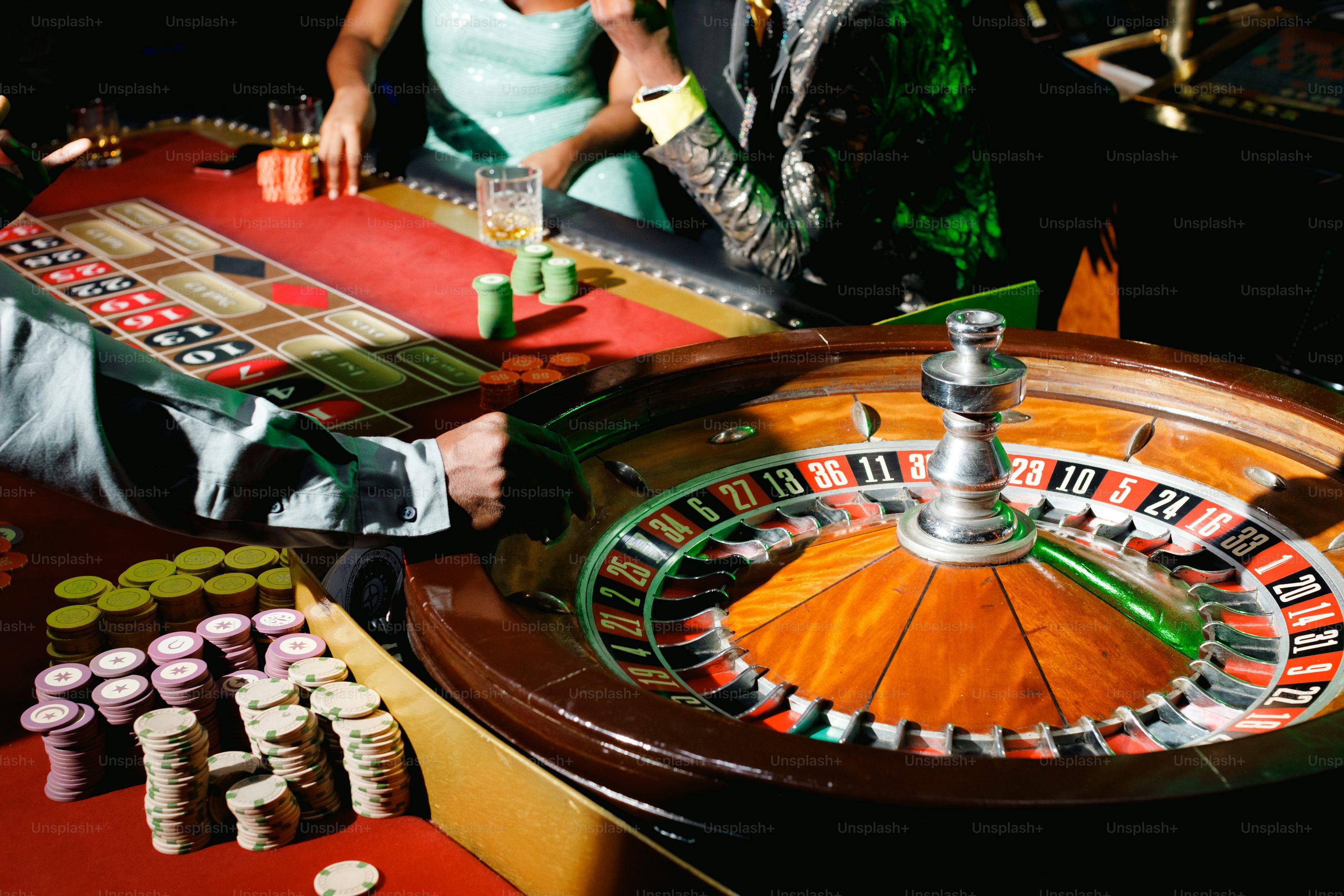
Moreover, this century witnessed the rise of gambling as a prominent aspect of entertainment culture, with an influx of novels and stories centered on themes of chance and risk. The allure of casinos not only brought leisure but also ignited a fascination with the psychology of gambling. The introduction of technologies such as the roulette wheel and slot machines revolutionized the gambling experience, making it more accessible to the masses. The industrial revolution also played a role in expanding the reach of gambling, as urbanization created new opportunities for gaming establishments.
Regulatory frameworks also evolved during this time, with various governments seeking to control and tax gambling activities. This move was motivated by the need for public revenue and to curb illegal gambling practices. As public sentiment about gambling fluctuated, policies varied, shaping the landscape of gambling as it transitioned into the modern era. The groundwork laid in the 19th century continues to influence contemporary gambling practices globally.
The Digital Age and Online Gambling
The advent of the internet in the late 20th century marked another revolutionary phase in the evolution of gambling. Online casinos emerged, allowing players to engage in their favorite games from the comfort of their homes. The launch of the first online casino in 1994 signaled a shift in how gambling was perceived and accessed. No longer confined to physical locations, gambling became a global phenomenon, transcending geographical barriers.
This digital revolution introduced a plethora of gaming options, from traditional table games to innovative slots and live dealer experiences. Online platforms enabled operators to reach a wider audience, catering to diverse preferences while providing convenience. With features such as mobile compatibility and secure payment systems, online gambling appealed to a younger demographic accustomed to digital interactions, further expanding its market reach.
However, the growth of online gambling also prompted discussions around regulation and responsible gaming. Authorities grappled with how to oversee this rapidly changing landscape, leading to the establishment of various licensing bodies and regulations aimed at protecting players. The combination of convenience and accessibility made online gambling a double-edged sword, raising both opportunities and challenges for the industry. The evolution of gambling in the digital age illustrates the adaptability of this age-old practice to the changing needs and behaviors of society.

The Future of Gambling and Online Casinos
As the gambling landscape continues to evolve, the future holds exciting possibilities, particularly in the realm of online casinos. The increasing integration of technology, including virtual reality and blockchain, promises to enhance the gambling experience even further. Virtual reality could offer immersive environments where players feel as if they are physically present in a casino, while blockchain technology could ensure greater transparency and security in transactions, addressing concerns about fairness and trust.
Moreover, the regulatory environment surrounding online gambling is becoming more standardized, with many countries embracing legalization to capture tax revenue and regulate the industry. This shift could lead to an even broader acceptance of online casinos, making them a mainstream form of entertainment. The proliferation of mobile devices also suggests that online gambling will continue to expand, allowing players to engage in gaming anytime, anywhere.
In this ever-changing environment, platforms like HotLoot casino represent a new generation of online gaming establishments. With a focus on user experience, innovative gaming options, and robust security measures, these casinos are well-positioned to thrive in the competitive landscape. As players begin their registration and sign in processes, understanding its historical context helps illuminate the trajectory of its future, offering insights into what players can expect moving forward.